
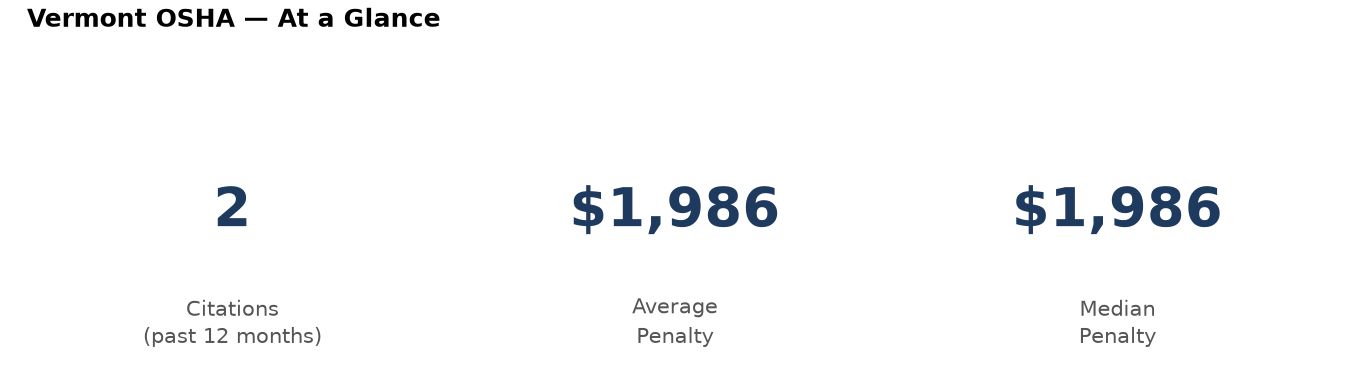
Vermont issued just two scaffolding violations under 1926.451 in the past 12 months, and both went to roofing contractors in Brattleboro. That is a small number compared to bigger states, but it tells you something specific: when Vermont OSHA does write up a scaffold problem, it is almost always on a roof job, and it almost always sticks as a Serious violation. The average penalty across these citations was $1,986, with one recent case, Phoenix Roofing Llc of Brattleboro, cited at $3,972 for a Serious violation under subsection 19260451 F07, issued December 23, 2025.
If you have already received a citation, or you think one is coming, the 15-working-day clock to file a Notice of Contest starts the moment you receive it. Talking to a Vermont OSHA defense attorney now, before that window closes, is the single most useful thing you can do.
What 1926.451 Actually Demands on a Vermont Job Site
The 1926.451 standard is OSHA’s general rulebook for scaffolds used in construction. It is not about one specific scaffold type, it is the baseline that applies to nearly any elevated platform workers stand on. It requires that scaffolds be built to hold at least four times the intended load, that planking be laid correctly and fully decked, that workers have safe access such as a ladder or ramp rather than climbing cross braces, and that fall protection, guardrails or a personal fall arrest system, be in place once someone is working above the applicable height threshold.
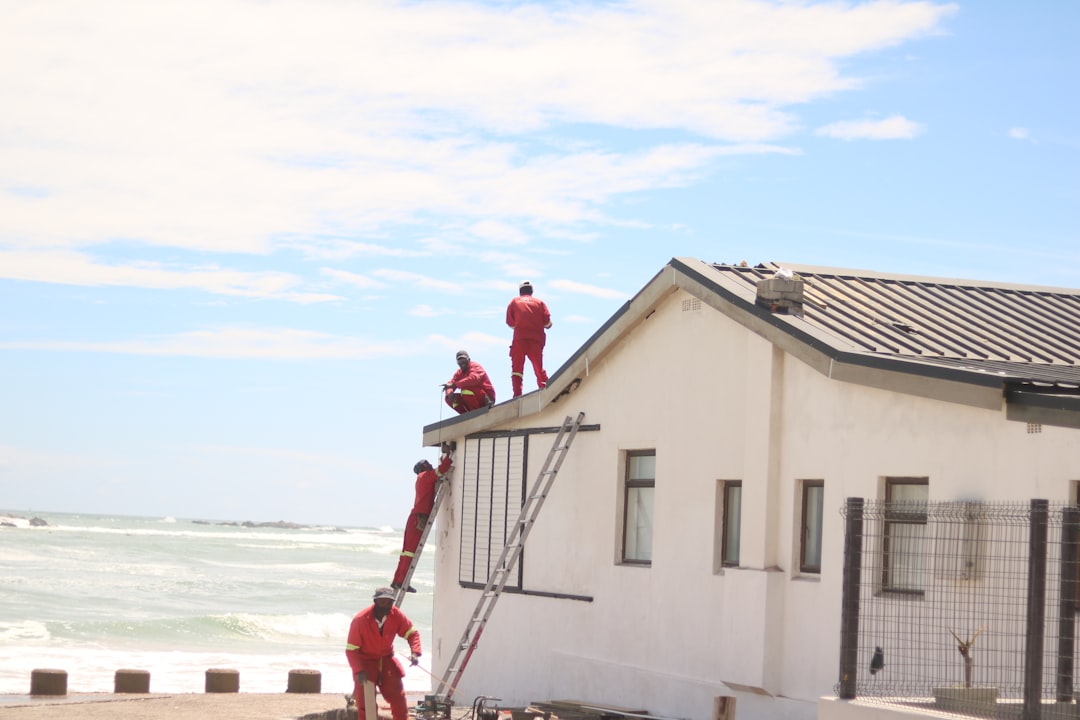
In practice, most citations under this standard trace back to one of three things: a platform that was not fully planked, a missing or incomplete guardrail system, or workers on a scaffold with no fall protection at all. Given that both Vermont citations this year were tied to roofing work, it is a reasonable bet that access and fall protection on a roof-edge scaffold were the issue, since steep-slope and low-slope roofing crews routinely set up scaffolds or staging along eaves and gutters where a guardrail gap becomes a serious fall hazard fast.
Why Roofing Crews Are Vermont’s Whole Story Here
Every scaffolding citation on record for Vermont in this period came from roofing contractors. That is not a coincidence. Roofing work in a state like Vermont, with its steep older rooflines, seasonal weather windows, and a lot of smaller crews working residential and light commercial jobs, puts workers on scaffolds and staging at height more often and for shorter, faster jobs than most other trades. Faster jobs mean less time spent double-checking guardrails and decking before the crew climbs up. That is exactly the kind of shortcut an OSHA compliance officer is trained to spot during a routine site visit or a complaint-driven inspection.
Brattleboro stands out as the city with the most activity in this data set, which lines up with an active roofing market in the southeastern part of the state. If your company works in or near Brattleboro and does roofing, staging, or exterior work involving scaffolds, you are working in the exact segment OSHA has been looking at closest.
What a Citation Actually Costs You in Vermont
Both scaffolding violations recorded in Vermont this year were classified as Serious, not Willful or Repeat, which matters. A Serious citation means OSHA determined there was a substantial probability of death or serious injury from the hazard, even without evidence of intentional disregard. That distinction keeps penalties lower than Willful or Repeat cases, but $1,986 average and $3,972 in the Phoenix Roofing case are still real money for a small contractor, especially stacked on top of the cost of fixing the hazard and the time lost to an inspection.
Here is a detail worth sitting with: the average penalty reduction between the initial citation and the final resolved amount in this data was 20 percent. That gap did not close itself. It reflects employers who pushed back, negotiated, or contested parts of the citation rather than simply paying what was first assessed. You can read more about how these figures are calculated on our page explaining OSHA scaffolding penalty amounts, but the short version is that the number on the first notice is rarely the final word.
Before you write a check or assume the citation is final, talk to a Vermont OSHA defense attorney about whether your case has room to move.
Your 15-Day Window After a Citation Arrives
Once OSHA delivers a citation, you have 15 working days to file a Notice of Contest. Miss that deadline and the citation, along with the proposed penalty, becomes a final order you can no longer challenge through that process. There is no grace period built in for being busy or waiting to see if the inspector was serious.
Filing a contest does not mean you are picking a fight for its own sake. It preserves your options: negotiating the classification down, arguing the abatement timeline, or challenging the underlying facts if the inspector missed something. Our guide to contesting an OSHA citation walks through the mechanics, but the timing is the part that trips employers up most, so do not wait to get advice.
If you run a roofing company anywhere in Vermont, and especially around Brattleboro, and you have a citation in hand or an inspection already underway, the clock is already running. Reach out to a Vermont OSHA defense attorney today and find out exactly where you stand before that 15-working-day window closes.