
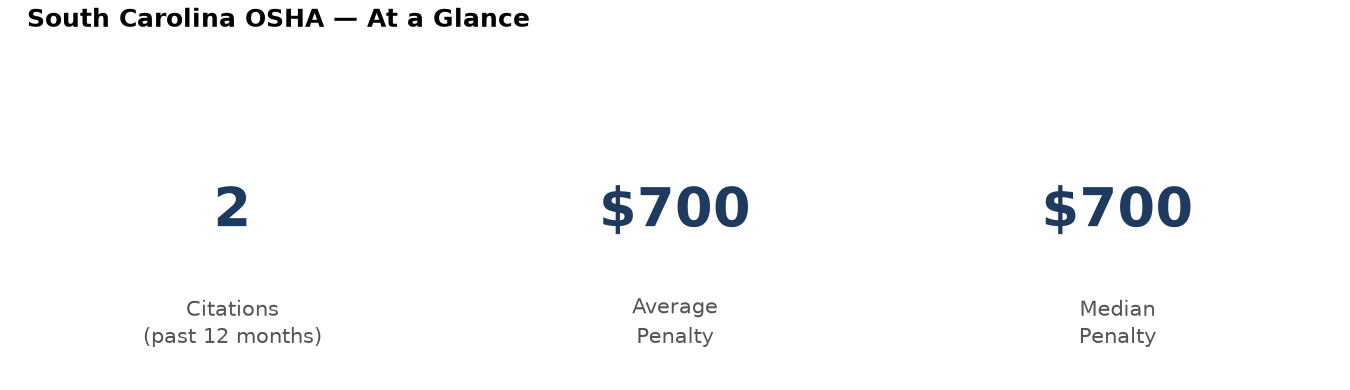
South Carolina employers were cited for ladder violations only twice in the past 12 months, but both citations trace back to 1926.1053, and the average penalty of $700 is only part of the picture. One of the two citations was classified as Serious, the other as Other-than-Serious, and both came out of Bluffton, the only city in the state with any ladder citations on record right now. Two citations may sound like a rounding error compared to bigger states, but if your company is one of the two, the math is not abstract — it is your invoice.
If you have already been handed a citation, do not wait to figure out your options. You have a limited window to act, and a South Carolina OSHA defense attorney can tell you within a single call whether it is worth contesting.
What OSHA Actually Requires Under the Ladder Standard
The rule behind every one of these citations, 1926.1053, is not complicated in theory, but it trips up crews constantly in practice. It covers how a ladder has to be set up and secured, how far it needs to extend past a landing point when workers are climbing on and off a roof or platform, how much weight it is rated to carry, and the obligation to pull damaged ladders out of service immediately rather than let them keep getting used because a job is behind schedule. Inspectors do not need to catch someone mid-fall to write this citation — an extension ladder set up three feet short of the roofline, or a ladder with a cracked rail still sitting on a truck ready to use, is enough on its own.
Why Framing Crews Are the Ones Getting Cited
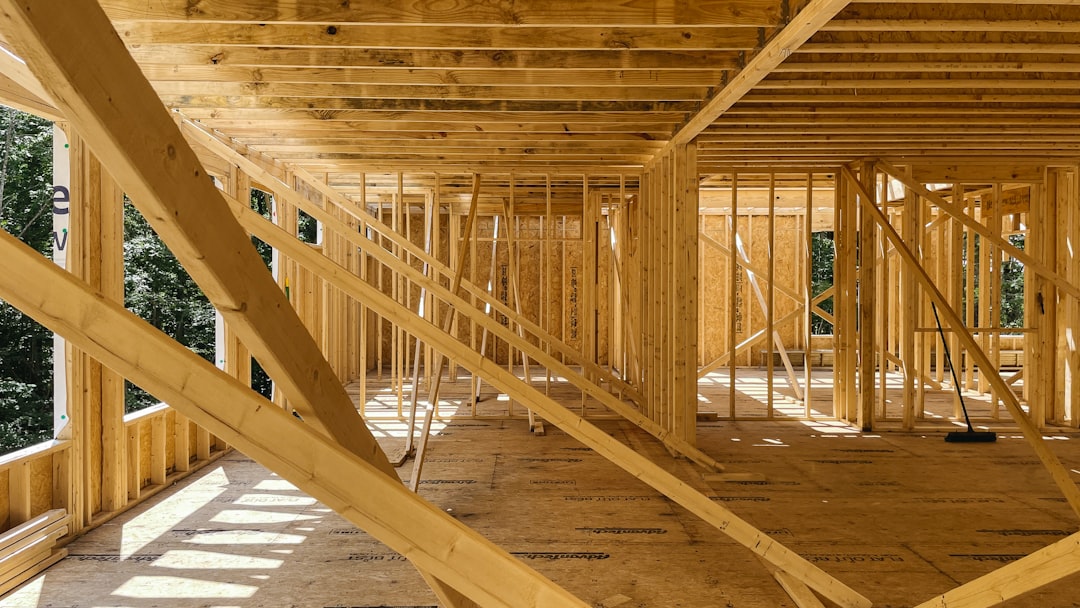
Every ladder citation issued in South Carolina in this reporting period went to framing contractors. That tracks with how framing work actually happens on a job site: crews are constantly moving ladders between floors, setting them on uneven subfloor or fresh grade, and climbing up and down dozens of times a day to check top plates, headers, and sheathing. There is rarely a fixed access point the way there might be on a commercial job with scaffolding or a hoist. That constant repositioning is exactly where corners get cut — a ladder gets leaned against a rim joist for a two-minute task instead of being properly secured, or a slightly bent one gets used because it is the closest one on the trailer.
What a Ladder Citation Actually Costs in South Carolina
The numbers here are tight — an average penalty of $700 and a median of exactly $700, meaning the two citations landed close together rather than one small fine dragging down a large one. But that average understates what is possible. Bf Construction in Bluffton was cited under section 19261053 B04, issued March 31, 2026, for a Serious violation carrying a $1,000 penalty — already 40% above the state average for this violation category. OSHA ladder violations penalty amounts scale up fast once a citation moves from Serious to Repeat or Willful, and a second ladder citation at the same company, even a different jobsite, can trigger that jump. Worth noting: in this data set, the average penalty reduction between the initial citation and the final settled amount was 0% — meaning employers here have not been getting automatic breaks just for pushing back. Any reduction that happens comes from an actual negotiated defense, not from OSHA softening numbers on its own.
A $700 or $1,000 fine might look manageable next to a project budget, but it is rarely the only cost. Citations create a compliance record that follows the company into future inspections, and a Repeat classification down the line can multiply the penalty several times over. Before you decide a citation like this is just a cost of doing business, talk to a South Carolina OSHA defense attorney about whether the underlying facts actually support the classification OSHA assigned.
The Clock Starts the Day You Receive the Citation
Once a citation shows up, the countdown to challenge it is short: 15 working days from the date you receive it to file a Notice of Contest. Miss that window and the citation becomes a final order — no more room to argue the classification, the penalty amount, or the facts behind it, regardless of how strong your case might have been. How to contest an OSHA citation walks through the mechanics, but the short version is that this is not a form you fill out casually the night before the deadline. Given that the reduction rate for South Carolina ladder citations sits at 0% without a real challenge, the decision to contest or accept needs to be made with someone who has actually reviewed the citation language, not guessed at it.
If Bluffton, framing work, or a ladder setup issue sounds close to your own situation, do not sit on the paperwork. Reach out to a South Carolina OSHA defense attorney now, while the 15-working-day window is still open, so you have real options instead of a final order.
Pull your citation letter, check the date it arrived, and count backward from 15 working days before you do anything else — that number is the only deadline that matters right now.