
The number on an OSHA citation almost never comes from a fixed table. It
starts from a statutory maximum and moves up or down based on how OSHA
classifies the violation, your company’s size, and your inspection history —
which is exactly why two employers cited for the same
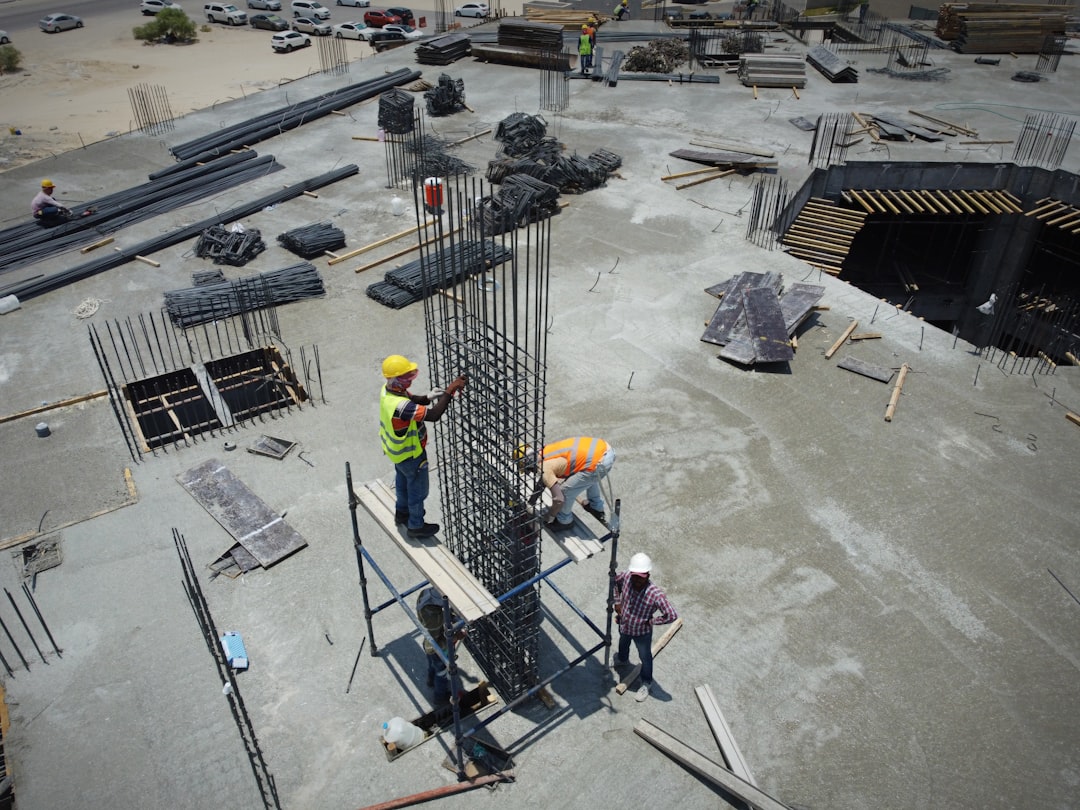
1926.501 fall protection violation can end up owing very
different amounts.
If you’re trying to make sense of a number you already received,
that context matters more than the figure itself. A
Notice of Contest filed within
15 working days is often the only way to challenge how that number was
calculated.
The four penalty categories
Serious violations — the most common category for fall
protection — cover situations where a fall could reasonably cause death or
serious harm. Other-than-serious violations, less common
here, involve less severe risk. Willful violations, where
OSHA determines the employer knew about the hazard and didn’t act, carry
penalties several times higher than serious ones. Repeat
violations — a similar citation at the same or a related worksite within the
past five years — escalate the same way.
What actually moves the number
Within each category, OSHA adjusts the base penalty based on factors like
the size of the business, whether the employer has a documented safety
program, and how quickly hazards get fixed once flagged. A small contractor
with no prior history and a fast correction can see a meaningfully lower
penalty than a larger company with a repeat finding — even for the exact same
underlying hazard.
Per-day penalties for failure to abate
If a cited hazard isn’t corrected by the deadline OSHA sets, additional
penalties can accrue for every day it remains unfixed. This is the piece
employers most often miss: the original citation amount isn’t necessarily the
final cost if the corrective work drags past the abatement date.
None of these numbers are fixed once OSHA proposes them.
Classification, business size adjustments, and abatement timelines are all
things a citation can be contested on — not just the underlying facts. Talking
to someone who handles these regularly, before the 15-working-day window
closes, is what keeps that door open.