
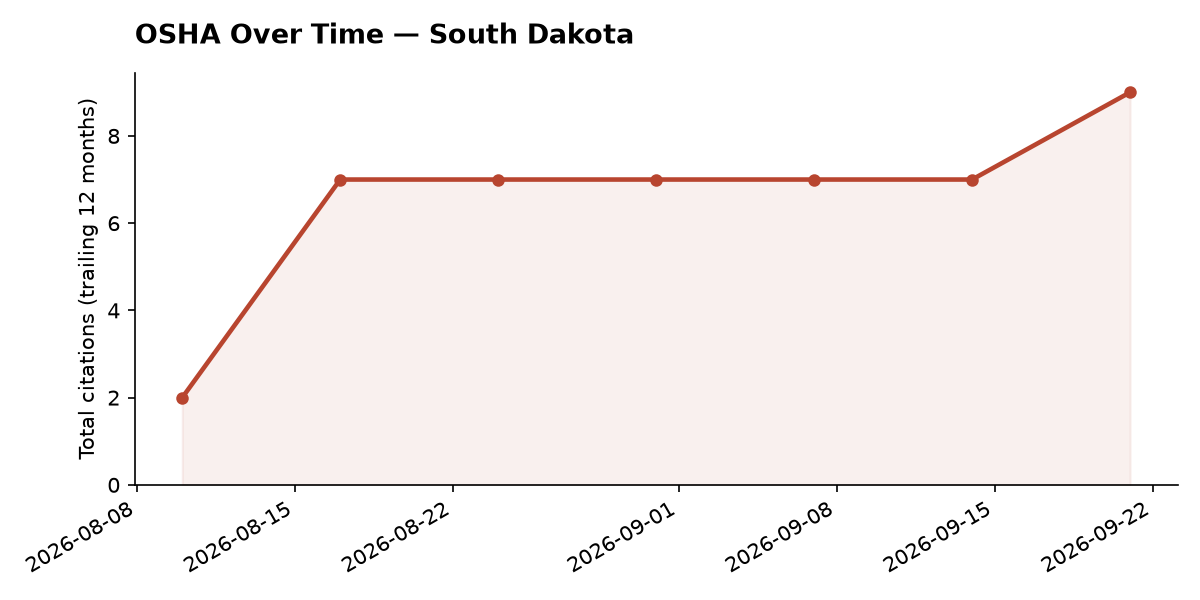
Data last updated: September 21, 2026
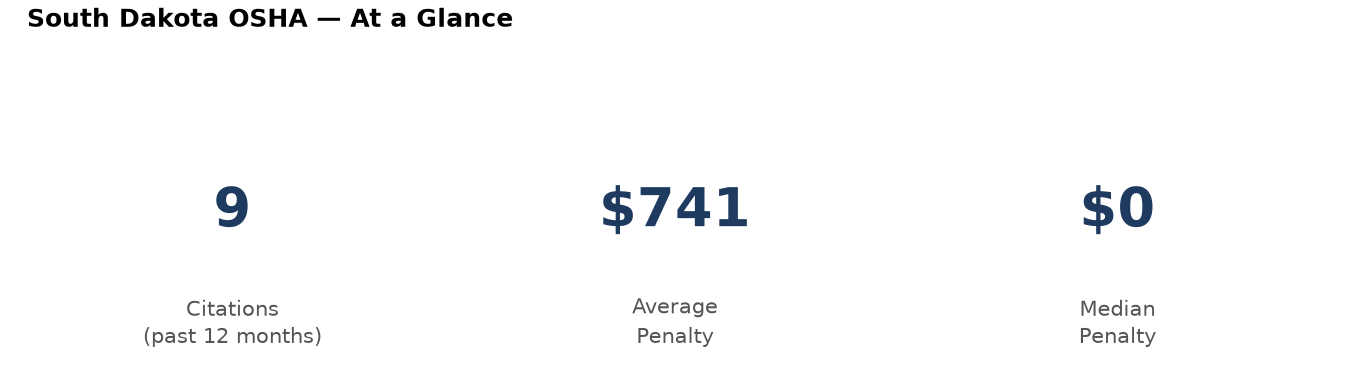
Over the past 12 months, OSHA recorded just 9 scaffolding citations across South Dakota. That’s a small number compared to bigger construction states, but it doesn’t mean enforcement here is soft. Eight of those nine citations were classified Serious, the average penalty came in at $741, and Dell Rapids saw more scaffold citations than any other city in the state. If you or your company just received one of these, the statewide count is irrelevant. What matters now is the clock that started running the day the citation arrived.
If you’ve been cited, don’t wait to see what happens. Talk to a South Dakota OSHA defense attorney now, while you still have options to contest or negotiate.
The Standard Behind Nearly Every Case: 1926.451
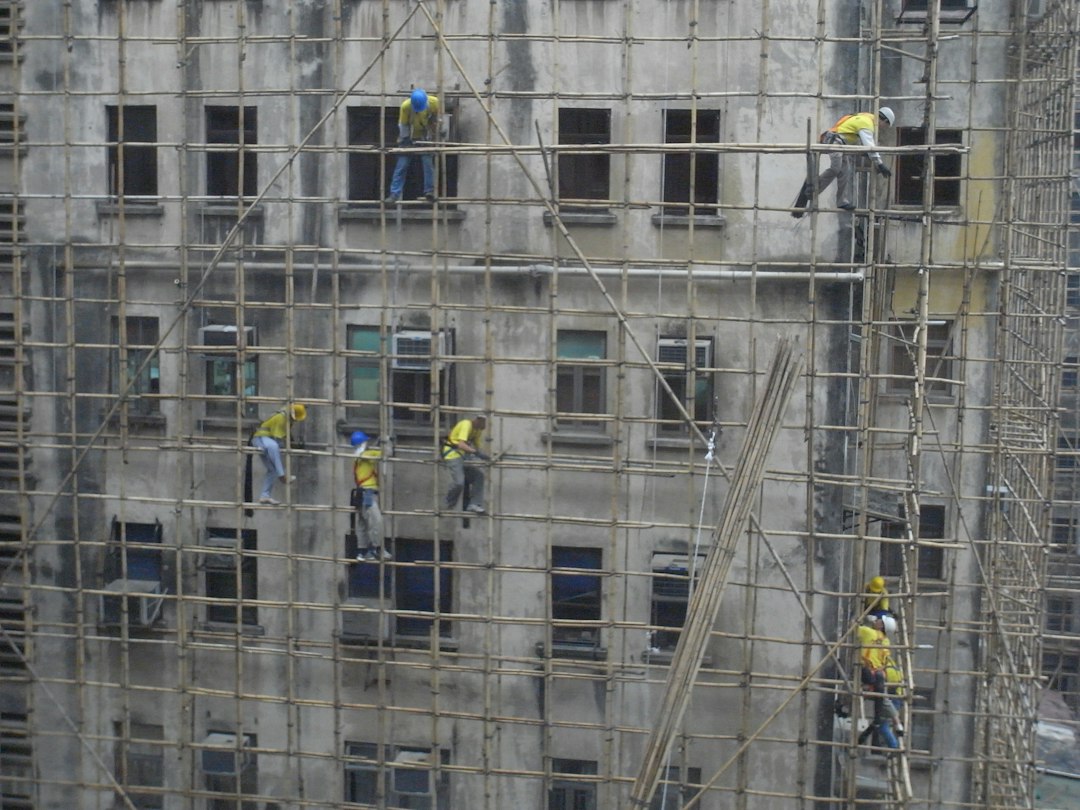
Every one of these South Dakota citations was issued under the 1926.451 standard, OSHA’s core scaffolding rule for construction sites. This standard sets the baseline for how a scaffold has to be built, how much weight it needs to hold, how workers get on and off it safely, and when guardrails, planking, or personal fall protection are required. It’s one of the most frequently cited standards in construction nationwide because scaffolds show up on nearly every job that involves siding, framing, roofing, or exterior work, and small shortcuts in setup or access are easy for an inspector to spot.
In South Dakota’s recent cases, the specific provision cited most often falls under 1926.451(g)(1), which deals with fall protection requirements for workers on scaffold platforms. That’s not a minor technicality. A missing guardrail or an unprotected platform edge is exactly the kind of hazard OSHA treats as Serious, because a fall from height can end a career or a life, not just interrupt a workday.
Siding Work Is Driving South Dakota’s Scaffold Enforcement
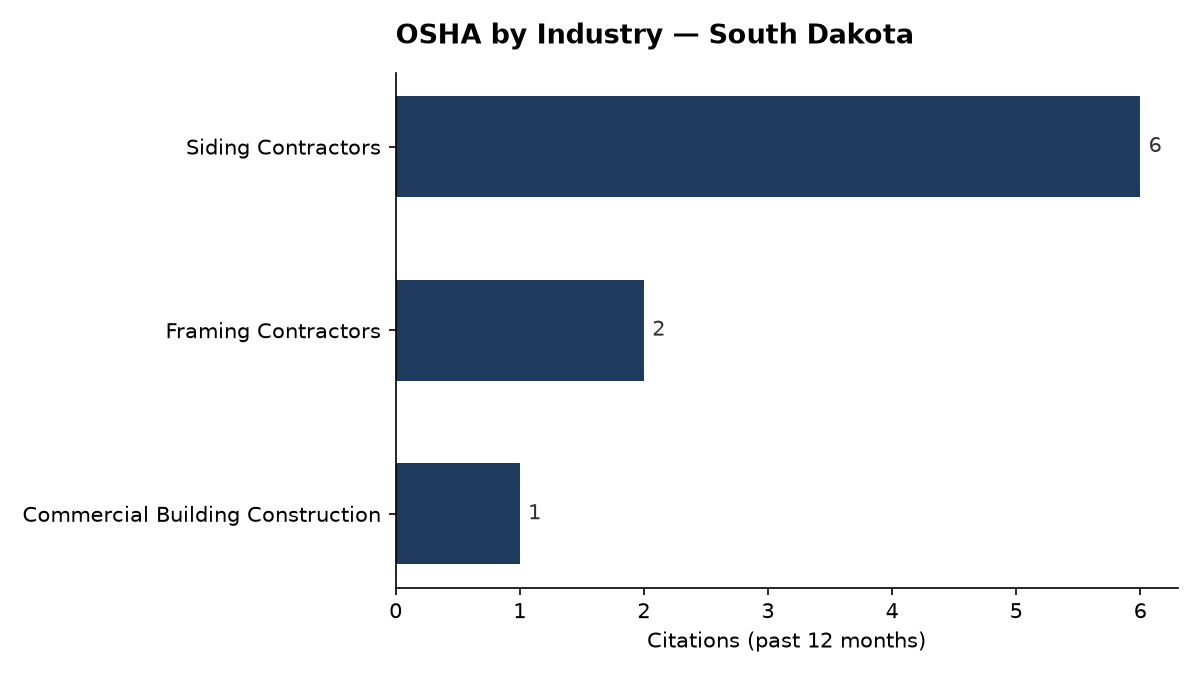
Look at where these citations are landing and the pattern is clear. Six of the nine citations, two-thirds of the total, went to siding contractors. Framing contractors picked up two more, and commercial building construction rounded out the list with one. That concentration makes sense given the type of work: siding jobs often mean crews working at height on the exterior of a structure for days at a time, frequently on scaffolds that get assembled and reconfigured as the job moves around the building. Every time a scaffold gets moved or extended, there’s a fresh opportunity for a guardrail to go missing or a platform to be set up without full decking.
Framing crews face a similar exposure, though usually for shorter stretches, which may explain the lower citation count. Commercial construction sites tend to have more layers of safety oversight, which likely accounts for just a single citation there despite the larger scale of those projects.
What These Citations Actually Cost in South Dakota
The average penalty for a South Dakota scaffolding citation over this period was $741, but that number hides more than it reveals. The median penalty was $0, meaning a large share of citations in this dataset carried no immediate fine at all, at least by the time the citation was finalized. That gap between average and median points to something important: penalties in South Dakota get negotiated or reduced often, and the average reduction between the initial proposed penalty and the final amount ran 58% statewide.
The real cases bear this out. Green Light Remodeling & Construction, LLC in Bath was cited for an Other-than-Serious violation and fined $2,700, issued January 6, 2026. RC Home Improvement Inc. in Aberdeen received a Serious citation carrying $1,986, issued December 31, 2025. Callies Homes, Inc. in Dell Rapids was hit with the same $1,986 penalty for a Serious violation, issued December 18, 2025. Integrity Construction, Inc. in Sioux Falls was also cited Serious, but the final penalty landed at $0, issued August 6, 2026. Four companies, four different outcomes, and two of them ended up paying nothing. That’s not luck. It reflects how citations get contested, documented, and negotiated after the fact, and it’s exactly why how OSHA scaffolding penalties get calculated and reduced is worth understanding before you decide how to respond.
A $741 average penalty might look manageable on paper. But once you factor in the possibility of a Willful or Repeat classification on a future citation, which carries penalties several times higher than a first-time Serious violation, the stakes climb fast. This is the point where a conversation with a South Dakota OSHA defense attorney tends to pay for itself, either by getting the classification reduced or by identifying paperwork errors that can shrink or dismiss the citation entirely.
You Have 15 Working Days, Not 15 Calendar Days
If a citation lands on your desk, the countdown starts immediately. OSHA gives employers 15 working days from the date the citation is received to file a Notice of Contest. Miss that window and the citation becomes a final order, penalty and all, with almost no way to challenge it afterward. Given that South Dakota’s own numbers show penalties dropping by more than half on average once challenged or negotiated, that 15-day window is not a formality. It’s the entire opportunity.
Before that deadline passes, it’s worth reviewing exactly how to contest an OSHA citation and what documentation strengthens your position, whether that means scaffold inspection logs, training records, or photos from the day the citation was issued. Waiting to see if the problem resolves itself is the one move that guarantees it won’t.
If you’ve been cited in Dell Rapids, Sioux Falls, Aberdeen, or anywhere else in South Dakota, get a South Dakota OSHA defense attorney reviewing your case before the 15-working-day window closes. Once that deadline passes, the amount on the citation is the amount you owe.
Whatever the citation says today, the final number is rarely fixed. Talk to someone who handles these cases before you decide your next move.