Data last updated: September 21, 2026
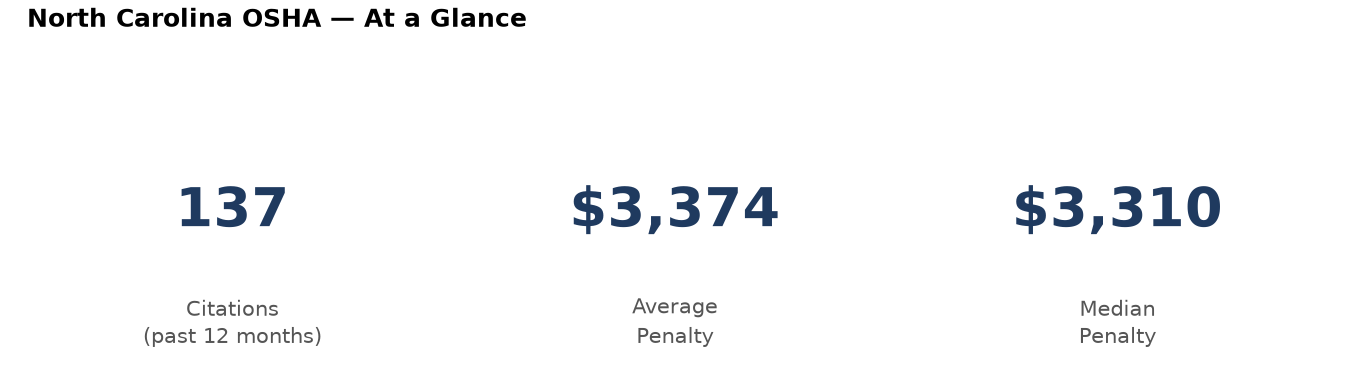
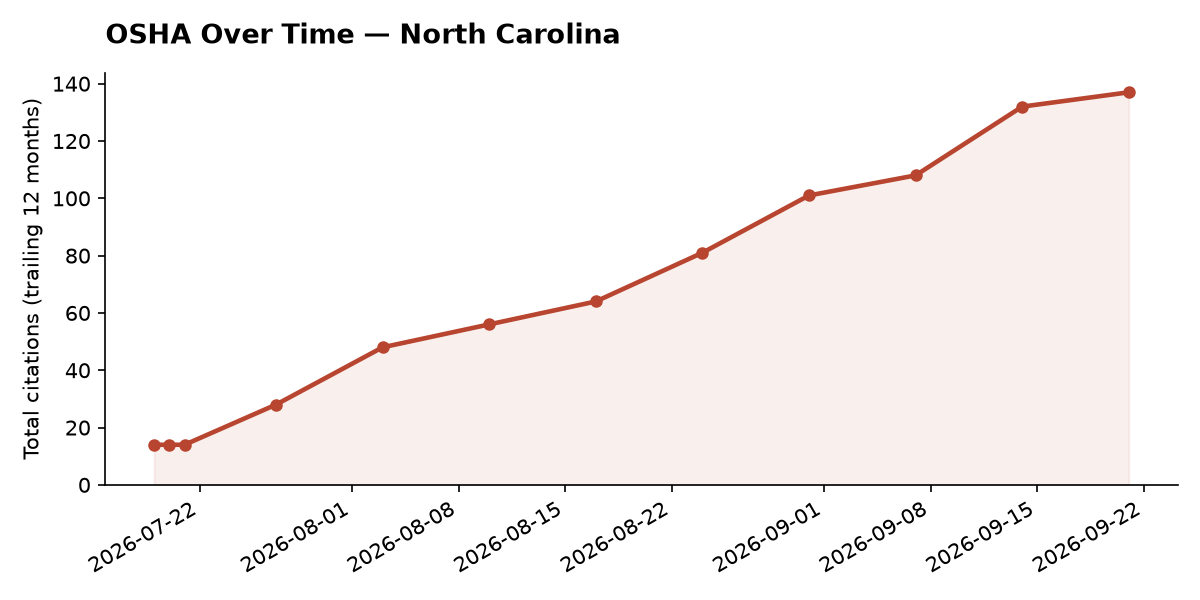
North Carolina employers picked up 137 fall protection citations under 1926.501 over the past 12 months. The average penalty came in at $3,374, with a median of $3,310, and Winston-Salem logged more of these citations than any other city in the state. If you’re staring at a citation letter right now, those numbers are the backdrop you’re working against.
If you’ve received a citation, don’t wait to figure out your options. Talk to a North Carolina OSHA defense attorney before your response window starts running out.
What OSHA Actually Expects Once Workers Are Off the Ground
The standard behind almost every one of these citations, 1926.501, sets the baseline rule for construction fall protection: once a worker is exposed to a fall of six feet or more to a lower level, the employer has to have something in place to stop that fall or catch it. That something is usually a guardrail system, a safety net, or a personal fall arrest system — harness, lanyard, and anchor point, rigged correctly.
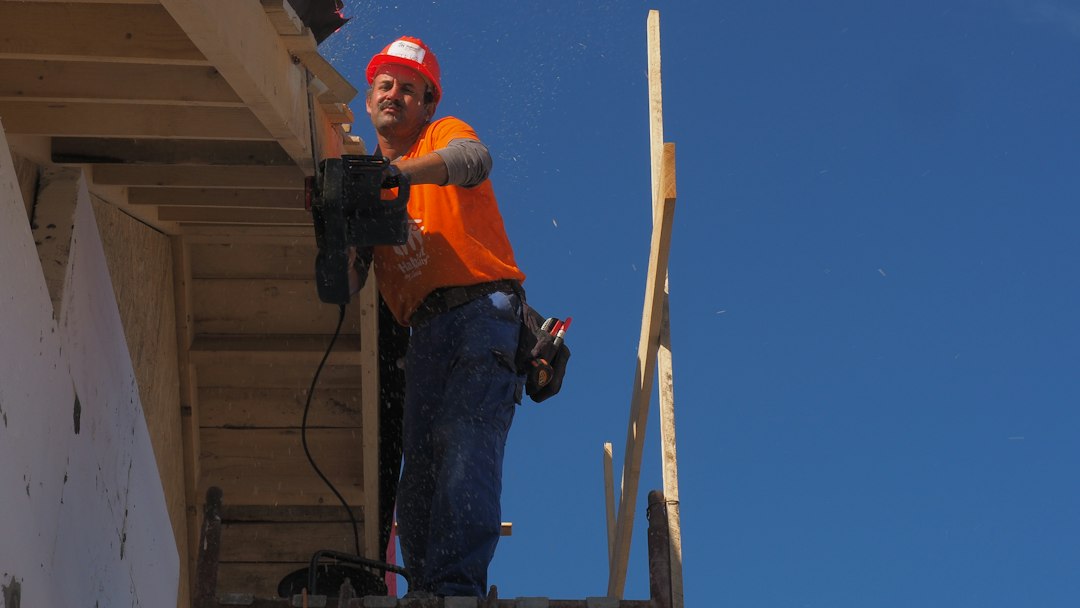
What trips up so many contractors isn’t a mystery about the rule. It’s the gap between having the gear on the truck and actually having workers tied off, every time, on every roof edge, open floor, or leading edge. OSHA inspectors know exactly where to look, and framing and roofing crews working at height without fall arrest in place are an easy, visible violation to document.
Framing and Roofing Crews Carry Most of the Risk Here
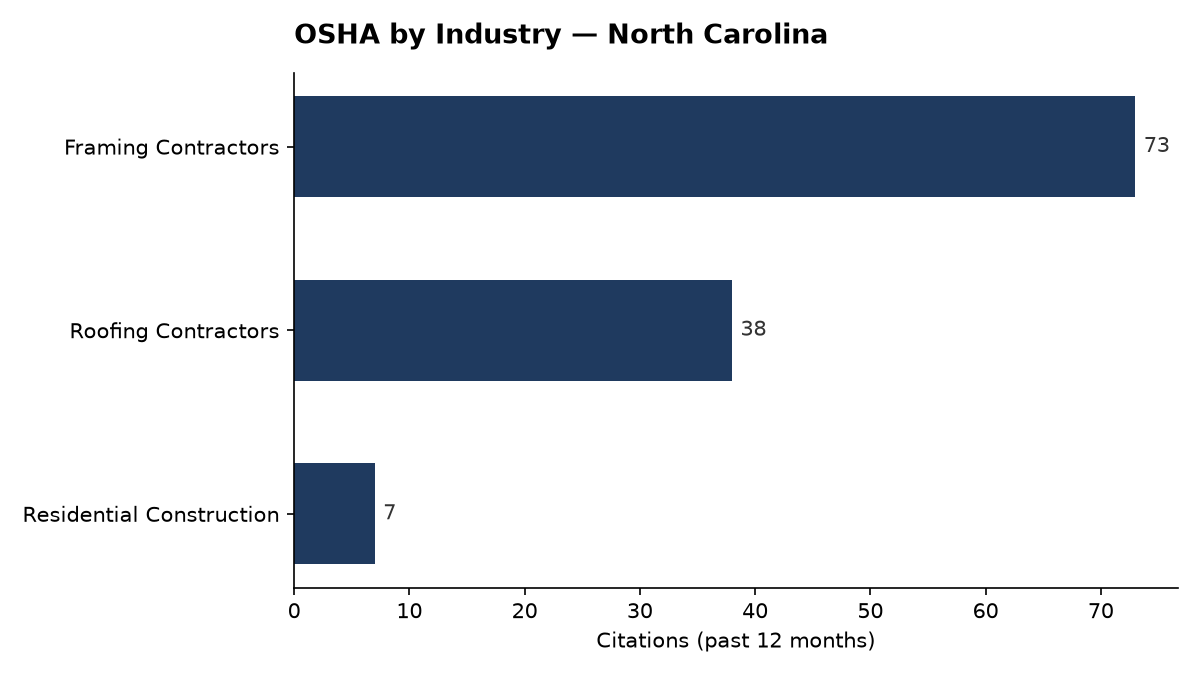
The industry split in North Carolina is not close. Framing contractors accounted for 73 of the 137 citations — more than half. Roofing contractors picked up another 38, and residential construction firms added 7 more. Together, framing and roofing make up over 80% of all fall protection enforcement activity in the state.
That pattern tracks with the work itself. Framing crews spend entire days on open floor systems and elevated platforms before walls or guardrails go up. Roofers work steep and low-slope surfaces where a moment without a harness or without edge protection is exactly the kind of thing an OSHA compliance officer driving by, or responding to a complaint, will document on the spot.
What These Citations Actually Cost North Carolina Contractors
Of the 137 citations issued, 117 were classified as Serious, 17 as Repeat, and 3 as Other-than-Serious. That Repeat number matters more than it might look. A Repeat citation means OSHA found the same or a substantially similar violation at that employer before, and Repeat penalties are calculated well above the Serious rate — often multiples higher for the same underlying hazard.
You can see that play out in real citations from the past year. Keystone Group, Inc. in High Point was cited $16,550 as a Repeat violation under 19260501 B13, issued May 4, 2026. P S V Construction Inc in Charlotte was cited $9,930, also Repeat under 19260501 B13, in December 2025. Nc Triad Construction Service Inc in Colfax picked up a $9,930 Repeat citation under the same subsection in late December 2025. Construction Wab Milla LLC in Charlotte was cited $9,930 in March 2026, and Fredy Rolando Lopez Juarez, cited in Belmont, faced a $9,930 penalty in August 2026 — again Repeat, again 19260501 B13. That subsection covers fall protection requirements for residential construction, and it’s clearly a recurring flashpoint across several different companies, not an isolated case.
There’s also a negotiation angle worth knowing about. Across these North Carolina cases, the average gap between the initial proposed penalty and the final settled amount was about 8%. That’s not huge, but it’s real money, and it shows that citations aren’t always locked in at the number on the first letter. For a full breakdown of how OSHA calculates and adjusts these figures, see this explanation of fall protection penalty amounts.
An 8% reduction on a Repeat citation still leaves you with a five-figure bill and a mark on your OSHA history. Before you decide whether to pay, contest, or negotiate, get a North Carolina OSHA defense attorney to look at the specific citation language first.
The Clock Starts the Day You Sign for the Citation
Once a citation arrives, you have 15 working days to file a Notice of Contest. That’s a hard deadline — not a suggestion, and not something OSHA extends because you’re still gathering documents or waiting on a safety consultant’s report. Miss it, and the citation and proposed penalty become a final order, with no further right to challenge the classification, the abatement date, or the amount.
Fifteen working days sounds like enough time, but it goes fast once you factor in getting the citation reviewed, pulling your own documentation together, and deciding whether a Repeat classification is actually supportable given what happened on your site. This is exactly the kind of decision covered in detail in this guide on how to contest an OSHA citation, and it’s also exactly the kind of decision that benefits from a second set of eyes before you commit to a path.
If the citation you received is a Repeat, or the penalty runs into five figures, don’t let the 15-working-day window close without getting advice. Reach out to a North Carolina OSHA defense attorney now, while your options are still open.
Whatever you decide to do with the citation in front of you, decide it deliberately. Pull the actual citation document, check the subsection cited against what happened on your job site, note the deadline on your calendar, and get a professional opinion before that window closes — not after.