Data last updated: September 28, 2026
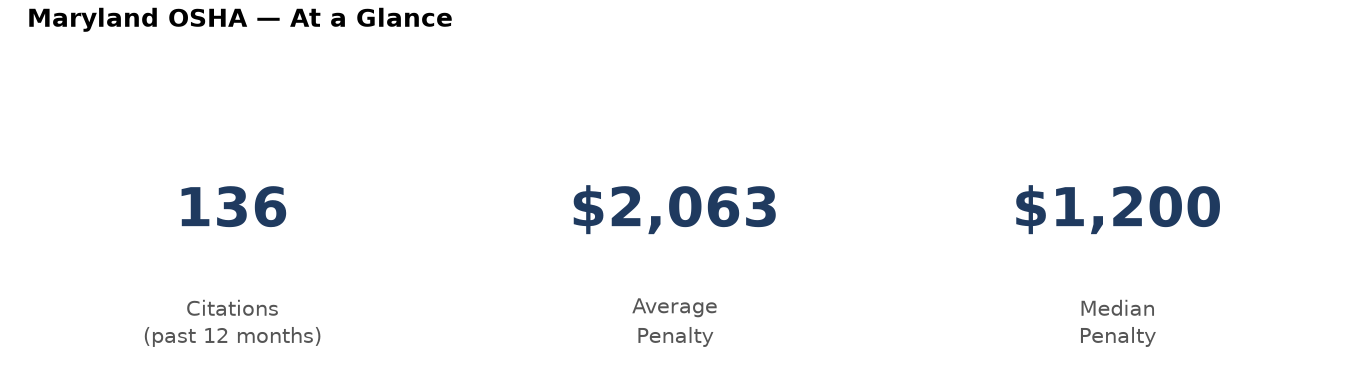
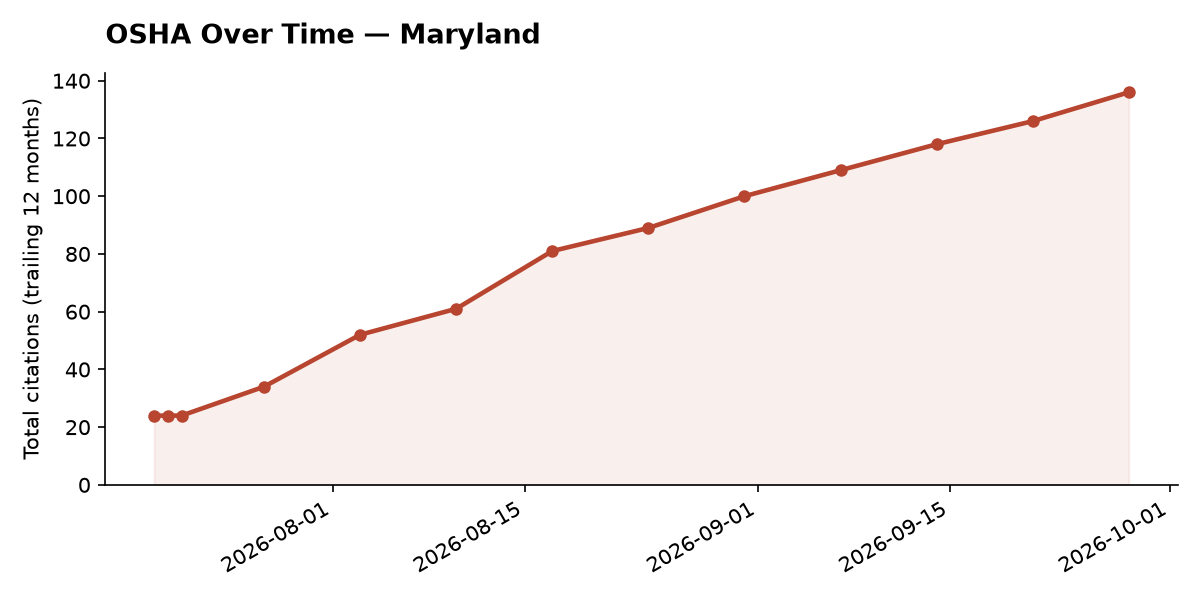
Maryland employers picked up 136 fall protection citations under standard 1926.501 in the past 12 months, with the average penalty landing at $2,063 and the median at $1,200. Baltimore leads the state as the city with the most citations. Behind those averages sit three willful citations carrying penalties above $15,000 each, along with 35 repeat violations — the kind that tell OSHA a contractor already knew about the hazard and didn’t fix it.
If you’ve just opened a citation letter, the clock is already running. Talking through your options with a Maryland OSHA defense attorney before you respond can change how much you ultimately pay and whether the citation follows your company on future inspections.
What 1926.501 Actually Requires on a Maryland Jobsite
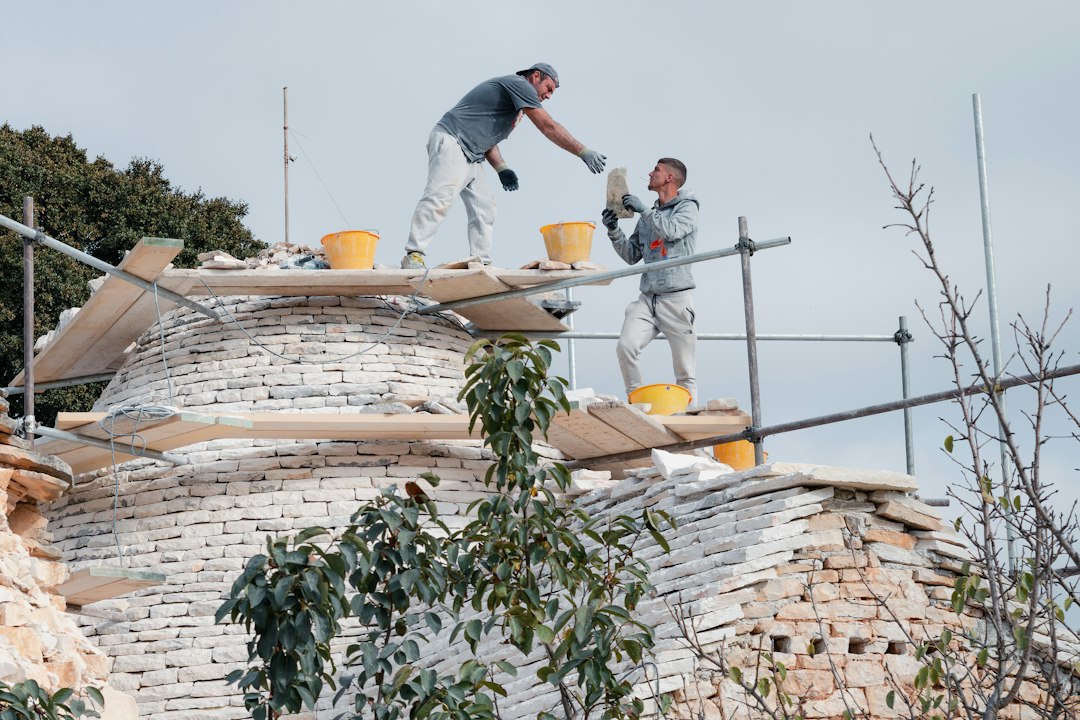
The rule behind nearly every one of these 136 citations is the same one: once a worker is exposed to a fall of 6 feet or more in construction, the employer has to have protection in place before that worker steps into the hazard zone. That protection can be guardrails, safety nets, or a personal fall arrest system — but it has to actually be there, used correctly, and not just available in a truck. OSHA doesn’t wait for an injury to write this citation. An inspector who sees an unprotected edge, an open roof hole, or a worker tied off incorrectly can issue the violation on the spot. For the full text and background on how this standard gets applied, see this breakdown of the 1926.501 standard.
Roofing Crews Account for More Than Half of Maryland’s Cases
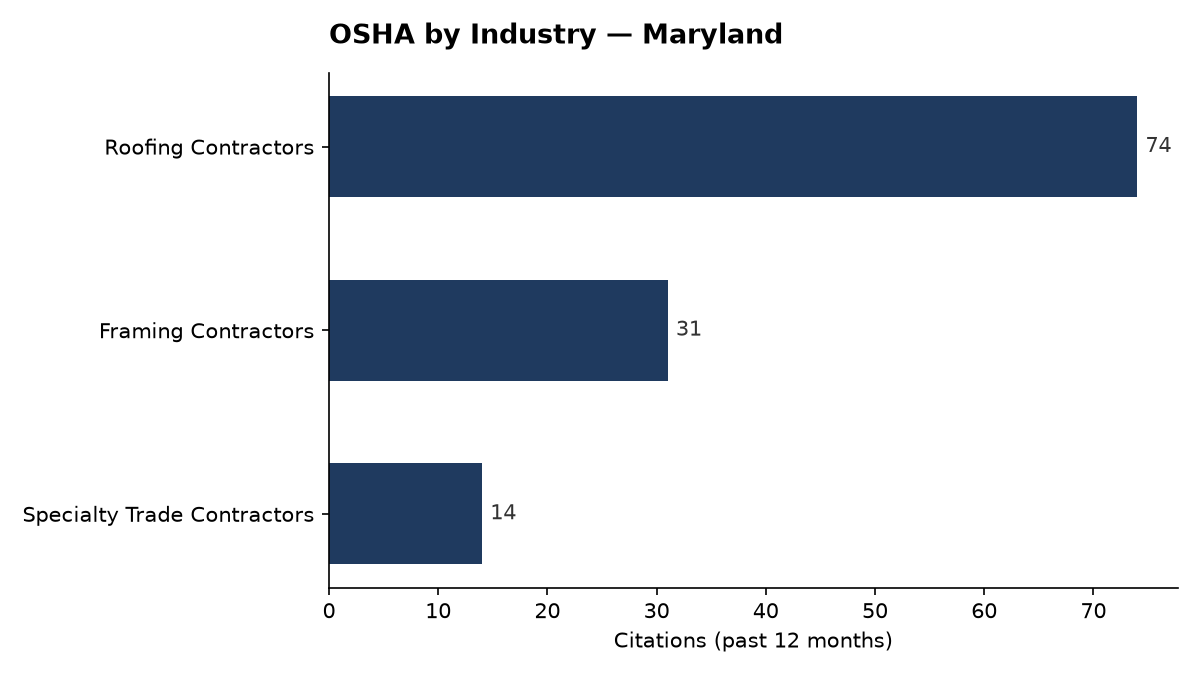
Of the 136 citations, 74 went to roofing contractors — well over half the total. Framing contractors picked up 31, and specialty trade contractors accounted for another 14. That split isn’t random. Roofing work puts crews at height on every job, often on steep or unstable surfaces, and it’s one of the easiest hazards for an OSHA compliance officer to spot from the ground or a nearby vantage point. If your business falls into this category, it’s worth reading up specifically on how roofing contractors get cited and what inspectors tend to look for first, since the pattern in Maryland tracks national enforcement trends closely.
The breakdown by violation type also matters here. Of the 136 citations, 85 were classified Serious, 35 were Repeat, 13 were Other-than-Serious, and 3 were Willful. A Serious citation means OSHA determined the hazard could cause death or serious injury — that’s the baseline for most fall protection cases. Repeat and Willful citations cost dramatically more and signal to OSHA (and to any future inspector) that the same problem showed up before. Three willful citations in one state over 12 months is a small number in absolute terms, but each one carries a penalty many times higher than a standard serious citation, and they’re much harder to negotiate down.
What These Citations Cost, and Why the Number on the Letter Isn’t Final
The average penalty across all 136 Maryland citations was $2,063, with a median of $1,200 — meaning half of all citations came in under that figure. But averages hide the real spread. Recent examples from the public record show how far penalties can run once repeat or willful status enters the picture:
- Noe Membreno Melendez, Denton — $17,500, Willful, cited under 19260501 B11, issued May 11, 2026
- A1 Roofing & Restoration, LLC, Denton — $17,500, Willful, cited under 19260501 B11, issued May 15, 2026
- Yovani Estrada Quintana, Hunt Valley — $15,750, Willful, cited under 19260501 B10, issued September 29, 2025
- RM Cruz Construction Services, LLC, Frederick — $12,500, Repeat, cited under 19260501 B13, issued February 18, 2026
- Nelson Manolo Gomez, Hagerstown — $9,000, Repeat, cited under 19260501 B11, issued November 07, 2025
Notice that every one of these five cases sits well above the state average — that’s the willful and repeat premium at work. On the other hand, Maryland’s data shows an average penalty reduction of 12% between the initial citation and the final settled amount. That gap exists because plenty of these numbers get negotiated, corrected, or contested successfully — they aren’t fixed once the letter arrives. For a fuller picture of how OSHA calculates these figures and where the room to negotiate typically sits, see this explanation of fall protection violations penalty amounts.
A $17,500 willful citation and a $1,200 median serious citation both started as a line item on a government form. What separates them, in many cases, is how the employer responded in the first two weeks. That’s the window where a Maryland OSHA defense attorney can actually do something with the case before the record hardens.
The 15-Day Window That Decides Your Options
Once a citation is delivered, OSHA gives the employer exactly 15 working days to file a Notice of Contest. Miss that deadline and the citation becomes a final order automatically — no hearing, no negotiation, no appeal. That’s true whether the citation is a $1,200 serious violation or a $17,500 willful one. Fifteen working days moves faster than it sounds once weekends and any holiday fall inside it, and gathering documentation, witness statements, and safety records takes time you may not have if you wait to start.
Before that clock runs out, it’s worth understanding exactly what contesting involves, what it can and can’t change, and when it makes more sense to negotiate an informal settlement instead. This guide on how to contest an OSHA citation walks through the mechanics of the process step by step.
Given how much is riding on that short window — the penalty amount, the classification staying on your record, and how future inspections get handled if a violation is later marked repeat — this is exactly the kind of decision worth making with someone who handles these cases regularly. Talk to a Maryland OSHA defense attorney while you still have the full 15 working days to act.
Whether your citation landed at $1,200 or $17,500, the path forward starts the same way: pull the citation paperwork, note the issue date, and get a professional opinion on your options before the contest window closes.